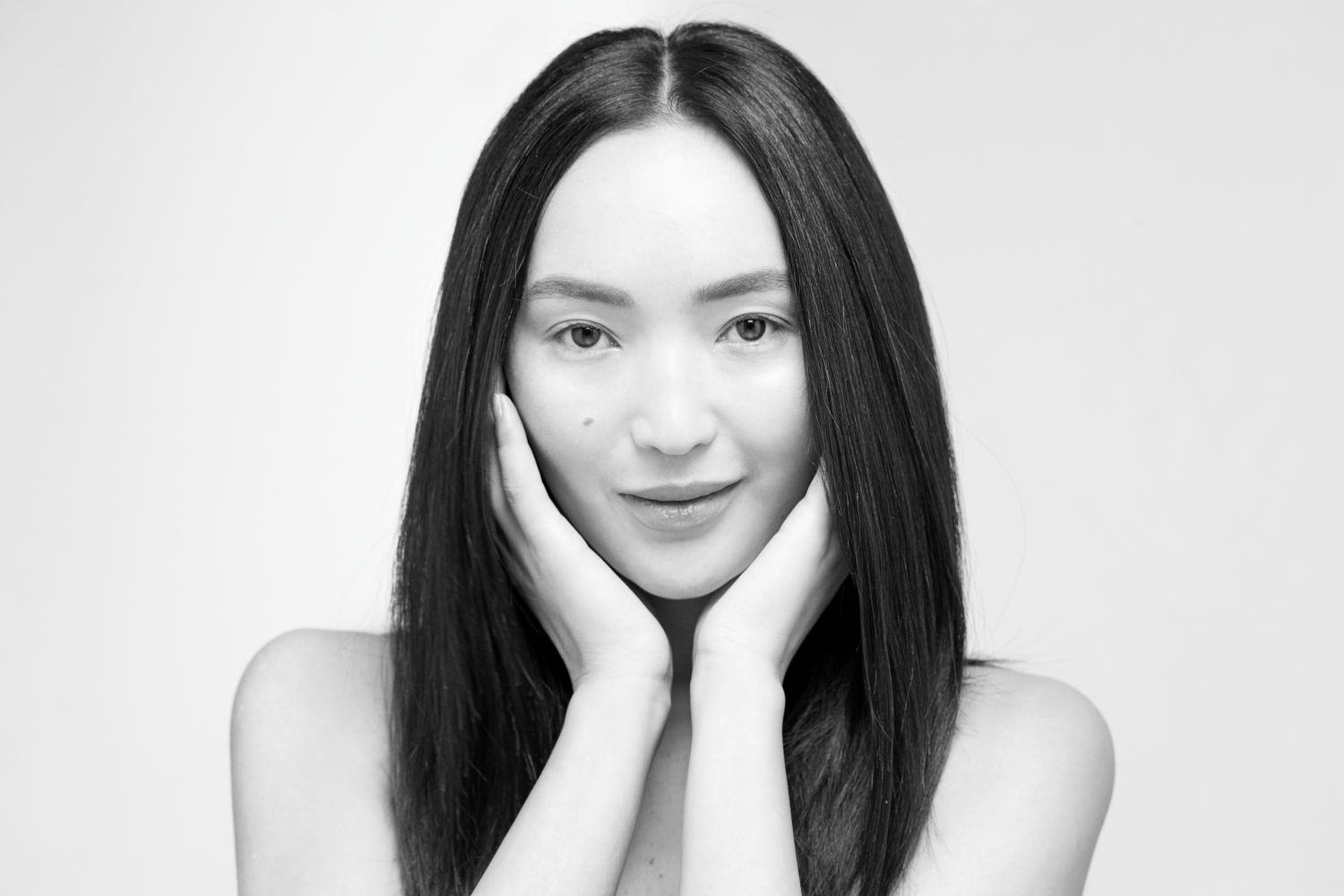
What age to start aesthetic medicine?

Should we wait for the appearance of wrinkles? Or is it better to start earlier, when the skin is still smooth and toned? There is no universal age. What matters is the moment when one begins to notice a gap between the image in the mirror and what one feels. Various factors play into this decision including lifestyle, genetics, and personal comfort. Understanding the importance of aesthetic medicine can be crucial in making these choices, as it empowers individuals to take control of their appearance and boosts self-confidence.

Before 30: prevent without transforming

At this age, the skin is still dense, natural elasticity is well present, and collagen is abundant. However, certain marked expressions, chronic dehydration, or stressful lifestyle habits can leave some traces. This is often where what is called “gentle prevention” begins. A few targeted, discreet gestures to deeply hydrate, smooth without freezing, support the tissues without weighing them down. For example, incorporating a good moisturizer and regular hydration into your daily routine can help maintain skin health. The goal is not to change, but to preserve. Should it be done if everything seems to be going well? Not necessarily. But when an area starts to attract attention — a wrinkle, a loss of radiance, a tired look — a subtle approach can be enough to restore balance and maintain skin health through aesthetic medicine. Moreover, regular check-ups with a dermatologist can help monitor skin changes and provide personalized recommendations.

Between 30 and 40 years old: correcting the first signs

The contours of the face evolve. The volumes begin to shift gently, and the expression lines settle more permanently. It’s not yet a radical change, but rather a series of small, imperceptible shifts. At this stage, aesthetic medicine can play a very precise role. This may include treatments like fillers or skin boosters that provide hydration and restore volume. We often talk about “refreshing”: restoring hydration, restarting collagen synthesis, softening marked areas. Nothing set in stone, nothing rigid. Just enough to erase the signs that no longer reflect what we feel inside. Is it too late if we haven’t done anything before? No. The right moment is when the approach makes sense for you, and it’s important to consult with a professional to explore the best options tailored to your needs.

After 40: restoring balance

The deep structures begin to sag a little. The oval blurs, the cheekbones flatten, the lips lose definition. This is where we talk about restoration: giving back volume, restoring harmonious lines, recreating coherent architecture. Treatments at this stage can vary based on individual needs, and options like volumizing fillers or skin rejuvenation techniques may be recommended. This does not mean that everything needs to be treated. On the contrary. An expert eye can suggest targeted, progressive gestures, tailored to each morphology. We aim to restore brightness, soften contrasts, and reintroduce gentleness in the features. It’s also a time to consider lifestyle adjustments that can support healthy skin, such as a balanced diet and proper sun protection.

After 50: enhance while respecting expression

It’s not the age that matters, but the momentum. Many women (and men) take the plunge at 55 or 60, with the sole desire to “find themselves.” It’s no longer a question of wrinkles, but of overall harmony. Treatments available can include advanced technologies like laser therapy or non-invasive procedures that promote skin tightening. Current techniques allow for a natural result, without excess, without tension. The goal is not to look 20 years younger, but to reflect who you are today, with freshness and coherence. It’s essential to have realistic expectations and consult with a professional to develop a treatment plan that aligns with your personal goals.

The ideal age?

The one where you feel that something has changed. The one where you feel like acting, without betraying yourself. That precise moment when one decides that the face one shows deserves to be aligned with the one one feels. Whether you are considering a small enhancement or a more significant change, understanding the role of aesthetic medicine in achieving personal goals can make a substantial difference. Taking the step towards aesthetic medicine at the right time can help you embrace your unique beauty and express your inner self confidently.

In today’s world, aesthetic medicine offers a variety of options catering to diverse needs and preferences. From Botox and dermal fillers to skin rejuvenation treatments like chemical peels and microdermabrasion, the landscape is vast and customizable. Each person’s journey with aesthetic medicine is unique, guided by individual desires and life experiences. It’s worthwhile to research and understand the different procedures available, as well as to acknowledge the importance of maintaining realistic expectations regarding results. Engaging with a qualified practitioner can also help demystify the process and ensure that you are making informed decisions that are right for you.

Which areas to treat for a natural facial rejuvenation

Over time, certain areas of the face become more pronounced than others. It is often this imbalance – these small hollows, these shadows, or these localized tensions – that give an impression of fatigue or aging. As we age, factors such as sun exposure, lifestyle choices, and genetics can contribute to these changes. The skin loses elasticity and volume, leading to a more tired appearance. But then, where to intervene to restore freshness without freezing the features or disrupting the expression? Emphasizing natural facial rejuvenation techniques can provide the best results. Techniques such as dermal fillers, PRP (platelet-rich plasma) therapy, and laser treatments can all be options to consider, each tailored to individual needs.

Restore volume to the cheekbones

Skin sagging often begins with a loss of structure in the cheekbones. This loss of volume has a domino effect: the cheeks sag, the grooves deepen, and the face appears less dynamic. By restoring volume to this area, we lift the oval and provide support to the rest of the face. For instance, a gentle injection of hyaluronic acid in the cheek area can restore that youthful fullness. The result is subtle, but often very telling. Is that always where you should start? Not necessarily, but in many cases, restoring mid-volume can be enough to rejuvenate the entire face. In some instances, combining cheek enhancement with treatments for other areas, like the jawline or temples, can create an even more balanced and youthful appearance.

Understanding the importance of natural facial rejuvenation can help in making informed decisions about aesthetic treatments.

In summary, natural facial rejuvenation techniques not only enhance appearance but can also boost self-confidence and emotional well-being. Embracing a holistic approach to aesthetic treatments, which includes understanding one’s unique facial structure and needs, can lead to the most satisfying results. Patients are encouraged to engage in consultations to explore the various options available and to create a personalized treatment plan that reflects their goals. By prioritizing natural outcomes, individuals can achieve a harmonious balance in their appearance.

Reduce nasolabial folds

These lines that start from the wings of the nose and descend to the corners of the mouth are among the first to deepen. They can give a severe or sad impression, even when one feels perfectly fine. This hollowing is often accentuated by the descent of the upper tissues, which can impact our overall expression. That’s why, before filling them directly, their connection with the loss of volume in the cheekbones is often assessed. For effective treatment, injectors may utilize techniques that focus on restoring volume to adjacent areas. When the grooves persist, a targeted correction can soften them without stiffening the features. The key here is the gentleness of the gesture and respect for proportions. Many patients find that even subtle changes can lead to greater self-confidence and a more positive self-image.

Smooth the valley of tears

Under the eyes, this delicate area – called the tear valley – can give a permanently tired appearance. Even after a good night’s sleep, these shadows remain, like an unfortunate reflection of stress or the passage of time. Various factors like genetics and lifestyle can exacerbate these shadows. A light filler can smooth the transition between the lower eyelid and the cheek, creating a refreshed look. The gaze appears more rested and more luminous. Sometimes, that is enough to change the overall impression left at first glance. Additionally, incorporating skincare routines that include ingredients like caffeine or vitamin C can help improve the appearance and health of this sensitive area.

Rebalance the lips

Rejuvenating a face also means paying attention to the mouth. Not just by trying to increase the volume, but by restoring the contours, rehydrating the mucosa, and redefining the Cupid’s bow. Over time, the lips lose volume and definition, which can significantly impact facial aesthetics. The mouth, with its constant movements and delicacy, undergoes the effects of time with great sensitivity. A well-measured treatment allows for the restoration of suppleness and freshness, without caricature. Techniques such as lip fillers can help achieve a natural fullness, while also addressing any asymmetry. The goal is not to transform, but to restore harmony, so the lips complement the overall facial structure.

Can everything be done in a single session?

Not always. Each face has its own story, with unique features and challenges. Some treatments can be done in one session, while others are better spaced out to give the tissues time to adapt. For instance, a volumizing treatment for the cheeks might be best done in conjunction with a lip enhancement in a staggered approach, allowing for a more natural healing process and minimizing swelling. The approach is gradual, tailored, and adjusted to the dynamics of each individual. Consulting with an experienced practitioner can provide insights on the best timeframe for achieving optimal results.

The art of correcting without freezing

What makes one look young is not the complete absence of wrinkles, but overall coherence: an expressive face, well-placed volumes, a luminous gaze. Correcting one area should never be done at the expense of the whole. For example, enhancing the cheeks without considering the jawline can lead to an unbalanced appearance. That is why a good treatment plan will always prioritize coherence over perfection. What to start with? Where the gaze first settles. Where you no longer quite recognize yourself. A slight correction will give the face its own version back, just a little more rested. Emphasizing the natural beauty and features of each individual is crucial, allowing for a youthful appearance without losing character.