Questions to Ask During an Aesthetic Patient Consultation

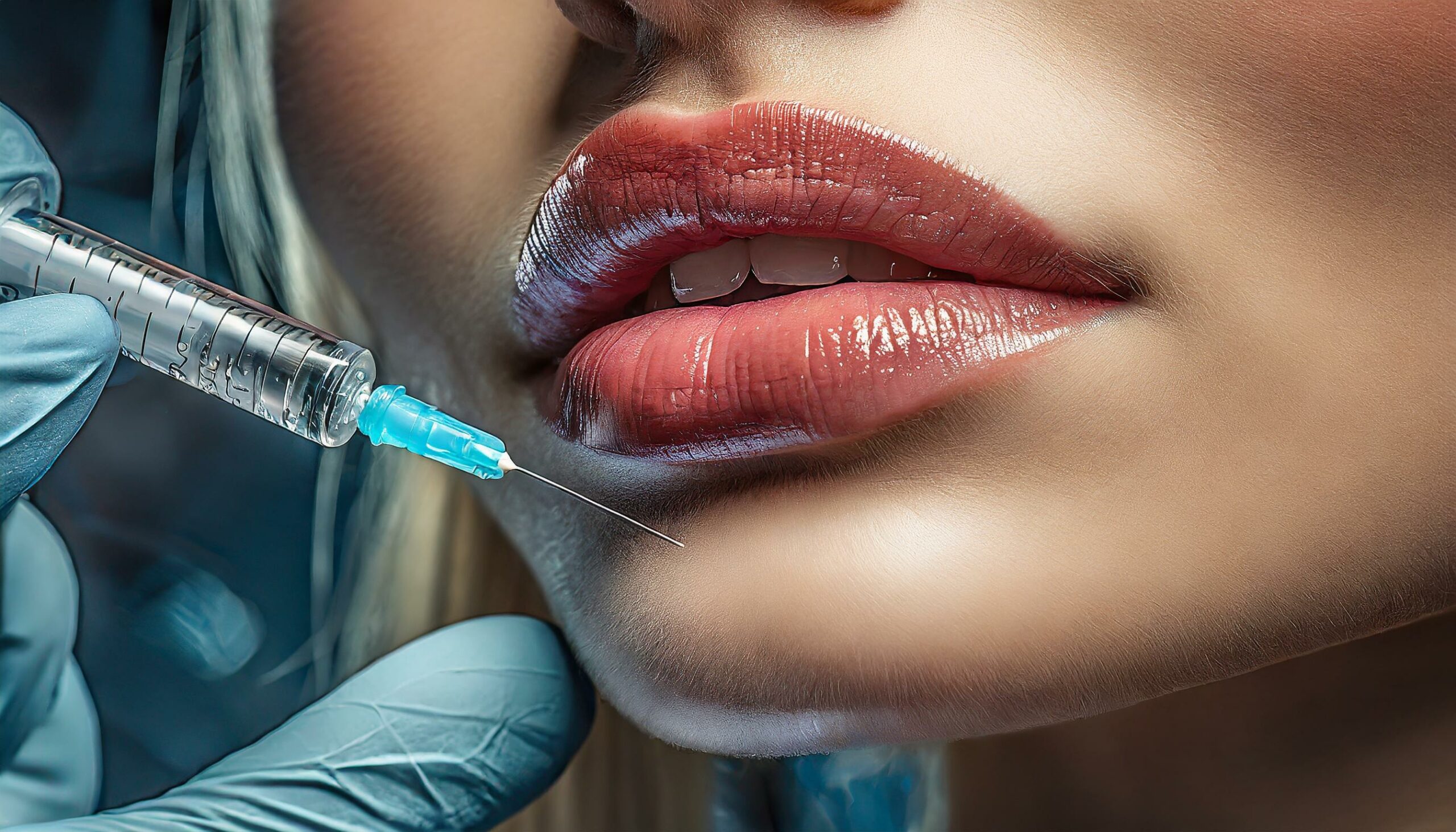
Before considering any aesthetic treatment, a patient should consult with a qualified practitioner. Meeting with a professional will provide a solid foundation and allow you to obtain answers to important questions. Whether you’re considering botulinum toxin injections, hyaluronic acid treatments or another type of procedure, it’s in your best interests to be prepared by asking the right questions. Here are the points to cover during an aesthetic medicine patient consultation so you can be confident you are making an informed choice.

What are your qualifications and experience?

The first question to ask concerns the practitioner’s qualifications and experience. In aesthetic medicine, results depend largely on the skill of the person performing the procedure. Make sure the professional you have chosen is properly trained in aesthetic medicine and has solid experience. Ask how many times they have performed the procedure you are considering. This will help you assess their level of expertise and mastery of the latest techniques.

What are the risks and potential side effects?

Any procedure, even those that are non-surgical, carries risks. It’s important to understand all possible side effects, both temporary and permanent. For example, in the case of botulinum toxin, redness, bruising or temporary muscle weakness may occur. Similarly, with hyaluronic acid injections, swelling, inflammatory reactions or even granulomas may occur. Asking for clarification on these points will help you make an informed decision about your own treatment, and assess whether the expected benefits outweigh any possible risks.

What is the total cost of the treatment?

Aesthetic treatments are not always affordable, and prices can vary depending on the type of treatment, the practitioner and the geographical region where the procedure is performed. Ask for a detailed estimate that includes follow-up consultations if necessary. Some treatments, such as hyaluronic acid injections, require regular touch-ups to maintain results. So, it’s important to have a clear view of the overall cost of the procedure and of any potential follow-up care.

What kind of results can I realistically expect?

For aesthetic medicine treatments, patient expectations must be grounded in reality. A competent practitioner will be able to explain the limitations of each treatment. For example, botulinum toxin can reduce expression lines, but cannot correct significant skin sagging. Hyaluronic acid injections can restore lost facial volume, but will not produce the same effects as a surgical facelift. Ask your practitioner to show you before-and-after photos of cases similar to yours to get a better idea of the results you can expect.

How long will the results of the treatment last?

Different treatments will provide results that last different lengths of time. Botulinum toxin injections, for example, require touch-ups every 3 to 6 months, while hyaluronic acid injections can last between 6 and 18 months, depending on the area treated and the type of product used. Ask your practitioner how long you can expect results to last, and how often touch-ups are recommended to maintain the effect.

What happens if there are complications?

Although complications are rare when aesthetic treatment is carried out by a qualified professional, they can occur. That’s why it’s important to know how your practitioner will respond. Ask about the procedures they have planned in the event of serious side effects, such as infection, allergic reaction or tissue necrosis. Your practitioner should be able to reassure you by explaining exactly what will be done in each scenario.

What is the recovery time and what precautions should be taken after treatment?

Some procedures, although non-invasive, may require some recovery time. Filler injections, for example, may cause swelling or redness that lasts several days. It’s important to know how long it will be before you can resume your normal activities, and what precautions you’ll need to take after treatment. These may include avoiding the sun, not massaging the treated area, or postponing certain strenuous physical activities.

Which products do you use?

Ask your practitioner what type of products they use for injections, and make sure those products are approved by health authorities. Whether it’s botulinum toxin or hyaluronic acid-based products, injections must be of high quality. Some products may be prone to variations in terms of concentration, duration of efficacy, or compatibility with your skin. A discussion on this point will also help you understand whether a particular treatment is suitable for your specific needs.

What is the post-treatment follow-up?

Post-treatment follow-up is often overlooked during aesthetic patient consultations. Yet it is a key part of the overall procedure. A good practitioner will suggest a follow-up to confirm that the results are in line with your expectations and that there are no complications. Ask about the practitioner’s availability after the procedure and about any follow-up consultations included in the initial price.

Asking these questions during your aesthetic medicine patient consultation will allow you to approach your procedure with peace of mind and make informed choices. It’s important to trust your practitioner, and to be fully informed about the risks, benefits and costs associated with your treatment. Good preparation is the key to achieving the results you are hoping for, with minimal risk.
Platelet-Rich Plasma (PRP) Treatments for Revitalizing your Skin

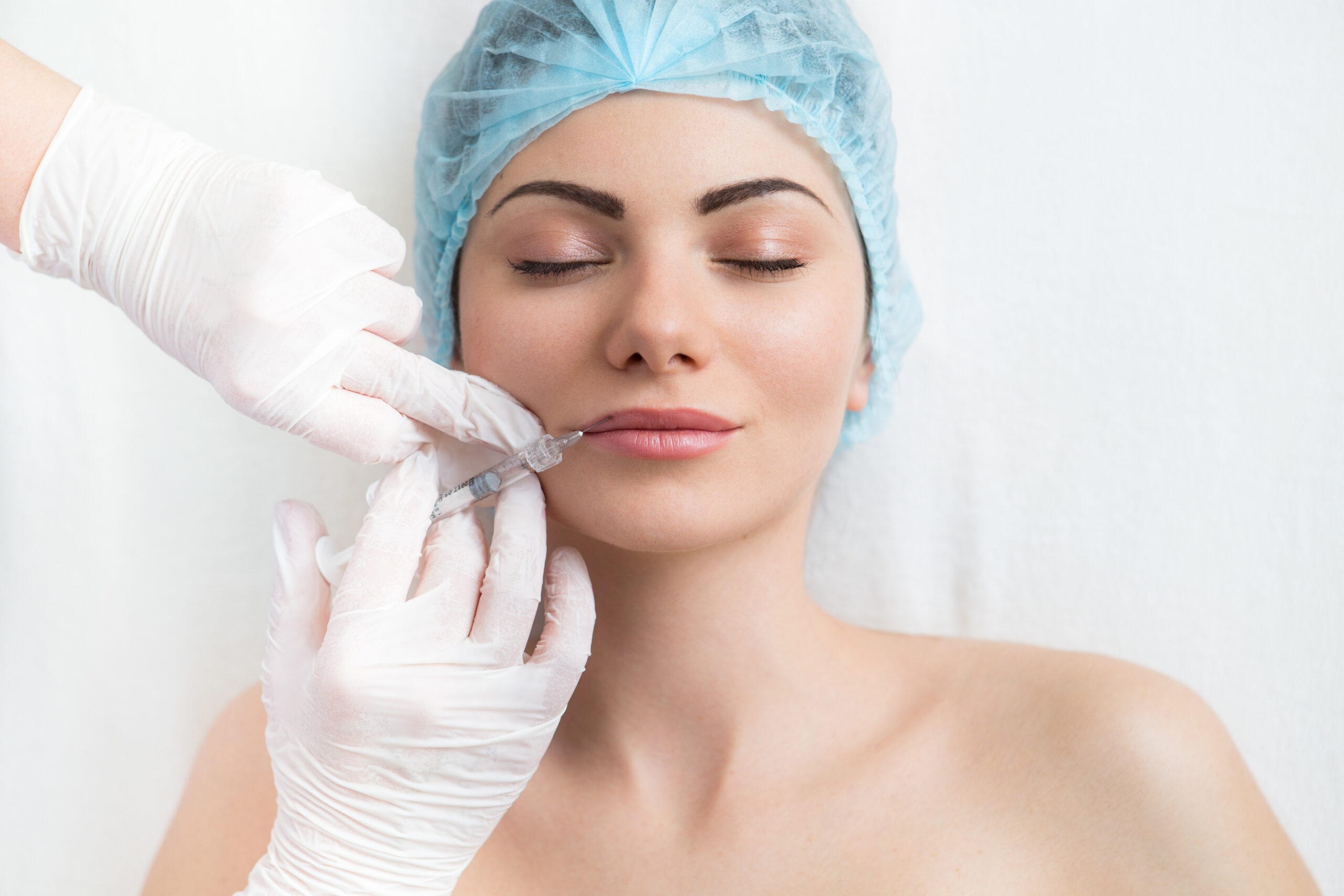
PRP (Platelet-Rich Plasma) injections are a cutting-edge technique for enhancing skin appearance. The treatment is based on the use of the patient’s own blood, which is treated to extract platelets that are rich in growth factors. These platelets are then reinjected into the targeted areas to stimulate collagen production and cell regeneration.

How PRP treatment works

The process begins with a blood test. The blood is then centrifuged to isolate platelet-rich plasma, which contains proteins that promote tissue regeneration. This PRP is applied to the target area, such as the face, neck or hands. Nurses inject the plasma under the skin to improve skin texture, firmness and elasticity. Unlike dermal fillers, this process taps into your body’s natural ability to regenerate itself.

Benefits of PRP treatments for the skin

PRP treatment offers several advantages. It improves skin radiance, softens fine lines and promotes better healing, especially for people with acne scars. Aesthetic medicine practitioners appreciate this treatment because it is a natural method that makes use of the body’ own healing properties. Unlike injectable products, this treatment does not involve any chemicals and is therefore well tolerated by most patients.

Who can benefit from PRP treatments?

Platelet-Rich Plasma treatments are suitable for people seeking to prevent signs of aging or improve the overall quality of their skin. Individuals suffering from superficial scarring, dull skin or slight skin sagging can benefit from PRP treatment. It is recommended for individuals who want a non-invasive treatment and who prefer to avoid synthetic products. Even though PRP treatments are natural and minimally-invasive, you should always seek professional advice to determine if this treatment is right for you.

Comparison with other treatments

PRP injections differ from other aesthetic treatments such as botulinum toxin, which paralyzes the muscles responsible for expression lines. It is not intended to deliver rapid or drastic results, but rather gradual improvements to the skin. It’s an excellent choice for patients seeking gentler, more natural methods that do not involve foreign substances. What’s more, the risk of allergic reactions is minimal, since PRP is an autologous skin treatment.

Is PRP the right choice for you?

PRP can be an excellent choice for patients who would like to benefit from subtle, gradual skin rejuvenation. It is particularly effective for those looking for a natural solution that does not rely on synthetic compounds. It is not, however, suitable for patients who want immediate results, as the effects are cumulative. Each session gradually contributes to an increasingly rejuvenated appearance.

In conclusion, PRP is an interesting option for men and women wishing to improve the appearance of their skin naturally. However, we advise that you consult a qualified nurse or doctor before beginning treatment, to confirm that this treatment is suitable for your needs and skin type.

Choosing an Aesthetic Medicine Practitioner: Key Factors

Aesthetic medicine is gaining traction among people who would like to better their appearance, whether through facial rejuvenation, improved skin texture, or the correction of imperfections. Choosing the right aesthetic medicine practitioner is key to achieving the results you’re hoping for at minimal risk. Here are the most important factors to consider for making an informed choice.

Recognized skills and training

When it comes to choosing an aesthetic medicine practitioner, the first step is to check their skills and training. Professionals who provide dermal filler injections must have specialized training in aesthetic medicine or plastic surgery. Diplomas and certifications from recognized organizations are a guarantee of quality. Don’t hesitate to ask for proof of their training and verify whether they participate in continuing education programs, as these are key to mastering the latest techniques and offering high-quality care.

Experience and specialization

It is also important to consider the practitioner’s experience. Ask how long they’ve been practicing aesthetic medicine and how many procedures similar to those you’re considering they’ve performed. Some practitioners specialize in offering specific treatments, such as hyaluronic acid fillers, laser treatments or botulinum toxin. Make sure the professional you choose has experience in effectively doing the type of procedure you want.

Reputation and patient reviews

Patient reviews can provide valuable information about the quality of care provided by a given practitioner. Consult online testimonials and discussion forums to learn about other patients’ experiences. You can also talk to people you know who have had aesthetic treatments in the past. Personal recommendations are often reliable. You can generally trust a practitioner who regularly obtains positive reviews.

Initial consultation and patient-practitioner communication

The initial consultation is a perfect moment to evaluate a practitioner. A good professional will take the time to listen to you, understand your expectations and answer your questions. They should explain your different treatment options in detail, including expected results, associated risks and all predicted costs. The consultation should be an open and honest exchange where you feel comfortable asking anything you want to. A practitioner who listens to their patients will be better able to personalize treatments and meet your specific needs.

An important aspect of this consultation is the consent form. Before proceeding with any treatment, the practitioner must confirm that you fully understand the implications of the proposed procedures. This includes a clear discussion of the benefits, risks, possible side effects and alternatives to your treatment. They must obtain your informed consent in writing to show that you have been fully informed and voluntarily agree to proceed with the treatment. This consent process is a sign of professionalism and respect for the patient’s safety and well-being.

Products and techniques

Another important factor is the quality of the techniques and products the practitioner proposes to use. Make sure that products are approved and recognized for being safe and effective. For example, for hyaluronic acid or botulinum toxin injections, find out which brands and concentrations are used. All injected products should be traceable, which means that the practitioner must be able to provide precise information on product origin, batch and expiration date. Traceability guarantees the quality of care, and makes it possible to act quickly in the event of a problem.

A good aesthetic practitioner should also use the latest techniques. Advances in aesthetic medicine have led to safer procedures and more natural-looking results. A well-trained professional will be trained in the latest innovations and use products that comply with the strictest standards for optimal patient safety and satisfaction.

Patient safety and trust

It goes without saying that you should trust your practitioner. You need to feel safe and confident in their ability to perform the procedure before starting your treatment. A good professional will provide you with detailed information on the safety protocols and hygiene measures in place at their center or clinic. They should also be transparent about the potential risks and complications associated with treatments. Patient safety must always come first.

Care center or clinic environment

The center or clinic where the procedure will take place also plays an important role. Facilities must be well-equipped and comply with the strictest hygiene and safety standards. On your first visit, take a close look at the environment: verify that the premises are clean and note the welcome given by the staff. These details, in addition to the overall atmosphere of the location, can say a lot about the quality of care. A well-managed and professional aesthetic medicine center is a key factor in enjoying a positive and safe experience.

Post-procedure care and follow-up

Care does not end with the procedure itself. Post-procedure follow-up is necessary for obtaining optimal results and minimizing the risk of complications. Make sure the practitioner provides you with post-appointment services, such as an emergency contact number or a dedicated contact person to answer your questions about post-procedure follow-up. The availability of this type of service demonstrates the practitioner’s professionalism and commitment to patient health and satisfaction.

Pricing and value for money

The cost of aesthetic medical procedures can vary considerably. It’s important to compare prices, but don’t make a choice solely on the basis of cost. Very low prices may indicate less qualified practitioners or inferior products. Look for value for money, where skill, experience and quality of care justify the cost. Ask for detailed quotes to understand what’s included, and to avoid unpleasant surprises.

Professional opinions and recommendations

Finally, you can also rely on the opinions and recommendations of other health professionals. Professional aesthetic injectors may be able to provide recommendations regarding the skills and reputation of other aesthetic medicine practitioners. Don’t hesitate to ask for their advice.

Choosing an aesthetic practitioner is a decision that should be made thoughtfully. By considering their skills, experience and reputation, and paying close attention to the initial consultation, techniques used, professional recommendations, and treatment center, you can find a practitioner you can trust to provide a safe treatment with post-procedure follow-up at an appropriate price. By choosing carefully, you’ll increase your chances of obtaining safe, high-quality results. Patient health and satisfaction must always be at the heart of the practice of aesthetic medicine.

What you should know going into your first cosmetic injectable treatment

Injectable treatments like hyaluronic acid fillers and botulinum toxin are increasingly popular for correcting the signs of aging and improving the overall appearance of the face and skin. If you’re considering a first session, you should prepare yourself by understanding how these products are used, the types of results you can expect from treatment, and the precautions you should take for a safe and successful treatment.

Understanding injectable treatments in aesthetic medicine

Injectables encompass a range of products used to treat wrinkles, restore facial volume and improve skin appearance. Hyaluronic acid is one of the most commonly used products. It is used not only to smooth wrinkles, but also to add volume to lips, correct dark circles and improve skin hydration.

Specific uses for hyaluronic acid:

Filling fine lines and wrinkles: Hyaluronic acid is often used to treat frown lines (between the eyebrows), nasolabial folds or “laugh lines” (between the nose and mouth), bitterness folds or “marionette lines” (from the corner of the mouth to the chin) and perioral wrinkles (around the mouth).

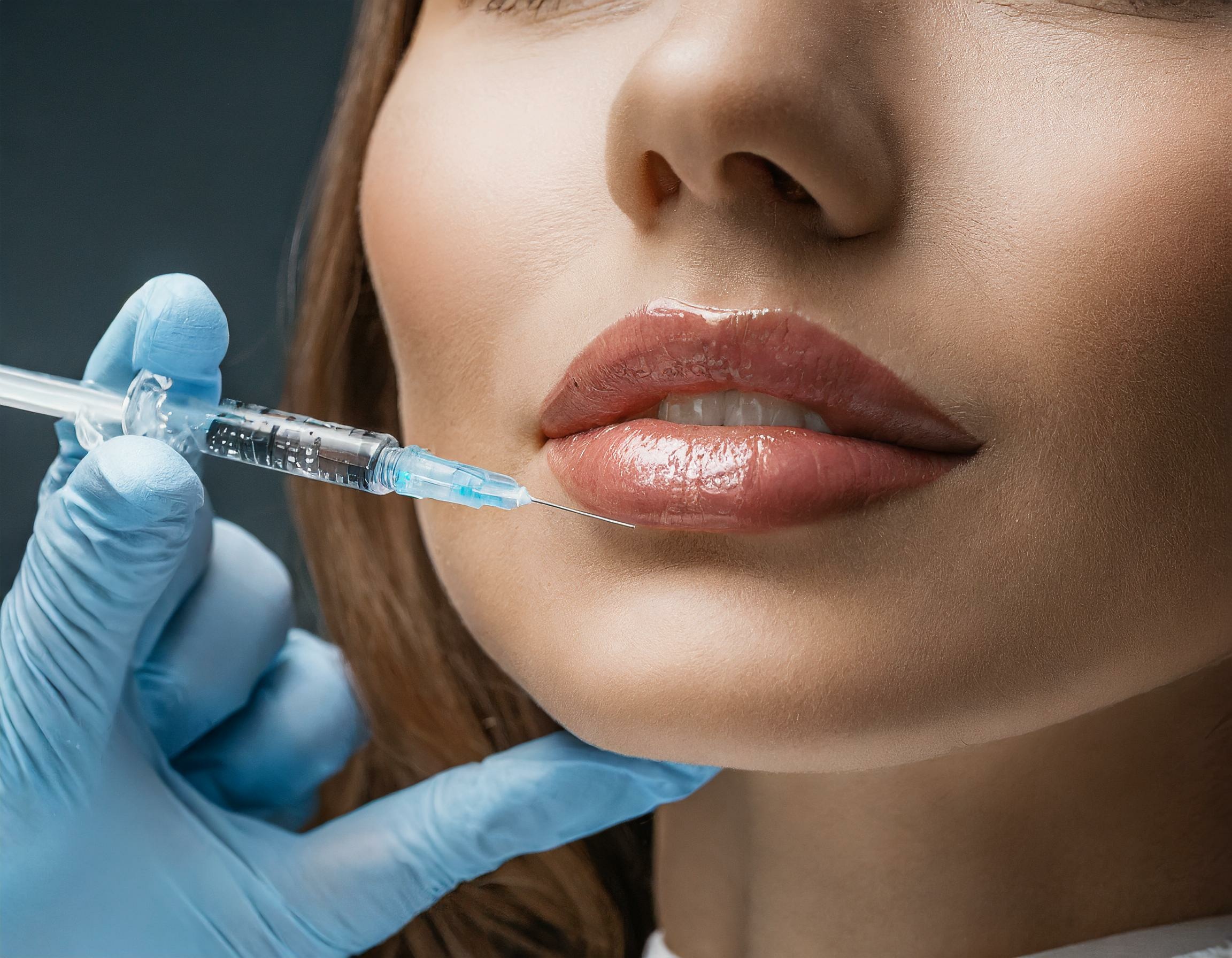
Lip augmentation: Hyaluronic acid restores volume to the lips, redefining their contour and smoothing out fine lines around the mouth for a more youthful, harmonious appearance.

Restoring facial volume: With age, the face loses volume. Hyaluronic acid can restore volume to cheekbones, fill hollow temples and redefine the jawline.

Skin hydration and revitalization: Micro-injections of hyaluronic acid, also known as “skin boosters”, can deeply hydrate the skin, giving it improved texture and a luminous glow.

Correction of dark circles: Hyaluronic acid is an effective solution for reducing the appearance of dark circles and hollows under the eyes, creating a fresher, more rested look.

Non-surgical rhinoplasty: Hyaluronic acid can be used to correct imperfections of the nose, such as a bump or asymmetry, without the need for surgery.

Chin redefinition: Hyaluronic acid can be injected to project and improve the contour of the chin, to balance the proportions of the face.

Neck lift: Injections can also help improve the appearance of the neck by reducing folds and wrinkles.

Benefits and side effects of injectables

Injectables offer many benefits, including fast visible results, little or no downtime, and a natural look when administered by qualified professionals. Hyaluronic acid delivers immediate results by filling wrinkles and hydrating the skin. Botulinum toxin, on the other hand, relaxes the muscles responsible for expression lines, with effects visible after a few days and lasting several months.

However, as with any medical treatment, there can be side effects. The most common are redness, bruising and slight swelling at the injection site, usually temporary and disappearing within a week. Itching or local pain may also be present. In rare cases, more serious complications such as necrosis, abscesses, granulomas or hypersensitivity reactions may occur.

People with a history of severe allergies, skin diseases, haemostasis disorders or inflammatory pathologies should be particularly cautious. It is advisable to consult a qualified professional before deciding on the most appropriate treatment. If side effects persist beyond one week, it is important to contact your doctor.

Pre-consultation: an important step

Before undergoing an injectable treatment, you should have a consultation with your chosen practitioner to clarify your needs and discuss expected treatment results. During this consultation, the practitioner will ask you questions about your medical history, examine the areas to be treated, and explain the different options available in detail. This is also the time to answer any questions you may have about the products used, their origin, and the qualifications of the medical staff.

It’s important to choose a clinic that complies with the strictest medical standards so you can increase your likelihood of enjoying top-quality, safe results. Several clinics in Montreal and Quebec City offer prime services provided by experienced teams of aesthetic medicine professionals.

Treatment preparation and follow-up

Proper preparation prior to an injectables treatment will contribute to obtaining excellent results. It is advisable to avoid anti-inflammatory drugs and anticoagulants a few days before the session to reduce the risk of bleeding. Alcohol and tobacco should also be avoided to promote recovery.

After the procedure, certain precautions are necessary to maximize the effects and minimize the risk of complications. Here are a few recommendations to follow:

Sun protection: Use a high SPF sunscreen for two weeks after the injection.

Make-up: Avoid applying make-up to the treated area for 12 hours afterwards.

Exposure to heat or cold: Avoid exposing the area to sources of intense heat (sauna, steam bath) or extreme cold until any redness or swelling has disappeared.

Medical follow-up: Inform your practitioner of any unusual changes in the treated area.

Physical activity: To avoid complications, avoid strenuous sports for a week after the injection.

Complementary treatments

Hyaluronic acid injectables can be combined with other aesthetic treatments for even more impressive results. Your doctor or qualified nurse can draw up a personalized treatment plan of this type, combining different techniques according to your specific goals.

Injectable treatments based on hyaluronic acid and botulinum toxin offer an effective, minimally invasive solution for improving the appearance of the skin and face. It’s vital to choose a reputable clinic, consult a qualified professional, and follow post-treatment recommendations to the letter to achieve natural, long-lasting results.