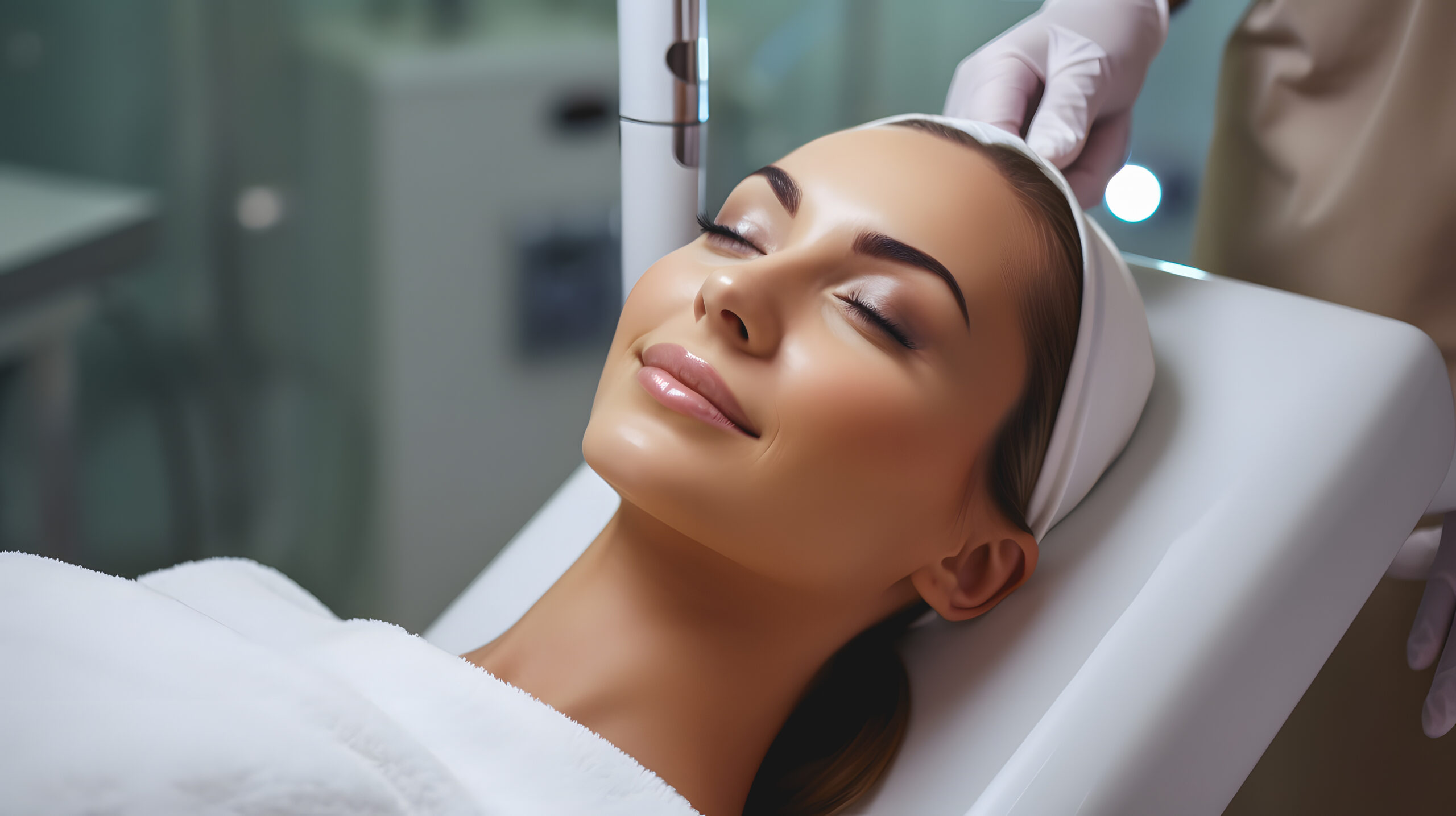
Aesthetic Treatments by Naturopaths in British Columbia

British Columbia is leading a unique trend in aesthetic medicine. Unlike other provinces, the province’s regulatory framework allows naturopaths to perform advanced aesthetic treatments. This innovative combination is resulting in a growing integration of naturopathic care within the field.

Naturopath qualifications in British Columbia

In British Columbia, naturopaths are regulated health professionals who must follow a rigorous training program. Candidates must obtain a diploma in naturopathic medicine from an accredited institution and pass a qualifying examination at the national level. Once qualified, naturopaths must register with the provincial regulatory body, the College of Naturopathic Physicians of British Columbia (CNPBC). Extensive training and strict regulation within the province is in place to make sure that practising naturopaths have the necessary knowledge and skills to provide quality care, even during the administration of cosmetic treatments.

Naturopaths in British Columbia have the right to perform a variety of aesthetic treatments. They are authorized to offer advanced procedures such as the injection of botulinum toxin and dermal fillers, and to perform mesotherapy treatments and micro-needling procedures. They are equipped to offer natural aesthetic solutions focused on the overall health of the body and skin.

Aesthetic treatments offered by naturopaths

Naturopaths in British Columbia practise an integrative approach to aesthetic care, combining traditional treatments with naturopathic methods. One of the most common aesthetic treatments is the injection of botulinum toxin to reduce wrinkles and lines. Contrary to popular belief, the aim of these treatments is not only to improve appearance, but also to promote skin health by stimulating cell regeneration and improving blood circulation.

Fillers are also used to restore facial volume, reduce dark circles and improve facial contours. Naturopaths favor the use of fillers based on hyaluronic acid, a substance naturally present in the body, is it offers a reduced risk of allergic reactions and gives more natural results.

Naturopathic physicians also offer micro-needling treatments, a procedure that makes use of fine needles to stimulate collagen and elastin production. This treatment is particularly effective when used to improve skin texture, reduce acne scars and pigmentation spots (hyperpigmentation), or promote a more even skin tone.

Mesotherapy, another popular technique, involves performing micro-injections of vitamins, minerals and amino acids directly into the skin. This treatment aims to nourish and revitalize the skin to improve its appearance and overall health. Naturopaths often use custom combinations of ingredients adapted to the specific needs of each patient for optimal results.

Benefits and potential risks

One of the main advantages of receiving an aesthetic treatment from a naturopath is their holistic approach. Rather than focusing solely on outward symptoms, naturopaths assess a patient’s overall health, including their diet, lifestyle and stress levels. This comprehensive assessment makes it possible to create personalized treatment plans that not only improve a patient’s appearance, but also their overall health.

However, as with any medical treatment, there are potential risks. Patients may experience temporary side effects such as redness, swelling or bruising at the injection site. It’s crucial to choose a qualified and experienced naturopath to minimize any risks associated with treatment. In British Columbia, strict regulations and training requirements have been put int place so that naturopaths have the necessary skills to perform these procedures safely.

Importance of the initial consultation

A thorough initial consultation plays a key role in the success of aesthetic treatments. During this consultation, the naturopath assesses the patient’s aesthetic goals and general health, and discusses appropriate treatment options. This information is used to create a customized treatment plan that is aligned with the patient’s expectations and naturopathic best practices.

Naturopaths are playing an increasingly important role in aesthetic care in British Columbia. Their rigorous training, combined with a holistic approach, allows them to offer unique and effective treatment options. By choosing a qualified naturopathic physician and participating in a thorough initial consultation, a patient can benefit from safe, personalized aesthetic care that will not only improve their appearance, but also their overall health.

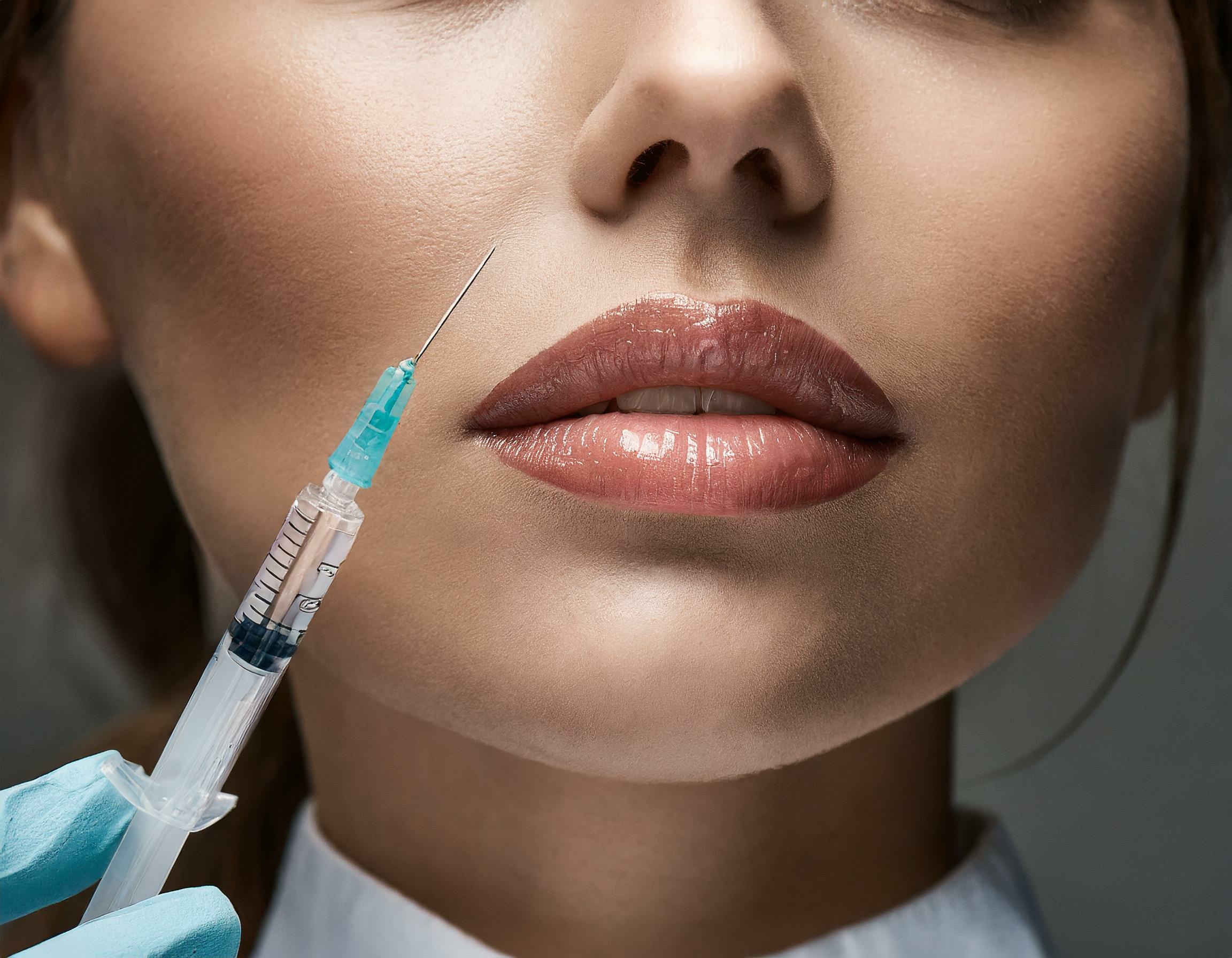
Aesthetic Medicine and Medical Aesthetics Nursing Rules in Ontario


 Aesthetic medicine is booming in Ontario, especially in major cities like Toronto and Ottawa. Speciall trained aesthetic nurses play a crucial role in this field, offering a variety of services ranging from initial consultations to cosmetic procedures such as injections of botulinum toxin and dermal fillers. But what exactly are the rules governing this practice? This article takes an in-depth look at the standards and regulations governing aesthetic medicine in Ontario and answers common questions on the topic.

In Ontario, registered nurses (RNs) and nurse practitioners (NPs) can perform certain cosmetic medical procedures under the supervision of a physician. However, nurse practitioners can act as the medical director of the clinic and do not need a physician on-site. Cosmetic surgery clinics in Toronto and Ottawa, as well as other cities across the province, are responsible for verifying that their nursing staff is properly qualified and follow established protocols. Medical consultations are always necessary to determine patients’ eligibility for treatments like botulinum toxin injections, dermal fillers, and laser treatments. These consultations are also necessary to assess individual needs and plan safe interventions.

Practice standards for cosmetic nurses

Medical aesthetics nurses in Ontario must follow the guidelines provided by the College of Nurses of Ontario (CNO). These guidelines state that any cosmetic procedure, from minor surgery to skin treatments, should be performed under the supervision of a qualified surgeon or physician. Nurses must also obtain specific training to perform botulinum toxin injections and dermal fillers. This training includes both theoretical and practical modules, and covers aspects like facial anatomy, injection techniques, and how to manage potential complications.

In medical aesthetic clinics in Ottawa and Toronto, it is common for nurses to participate in pre-procedure medical consultations. This helps to confirm that patients are well-informed about procedures and risks, and have realistic expectations regarding treatment outcomes. In addition to their role in consultations, nurses can also administer laser treatments to improve the texture and appearance of the skin. These treatments require a higher level of precision and expertise, which is why rigorous training and ongoing medical supervision are important.

Safety and regulation of aesthetic procedures

Patient safety is a top priority in the aesthetic medicine field. A cosmetic surgery clinic must employ a competent medical team that includes surgeons, nurses, and other medical professionals. This team is responsible for ensuring that all procedures, from minor surgeries to non-invasive treatments like botulinum toxin injections, are performed in a sterile and secure environment.

It is also important to consider how aesthetic care is financed. In Ontario, these services are generally not covered by provincial health insurance (OHIP). Clinics often offer individualized payment options to make treatments more accessible to patients. These may include installment payment plans or specific loans for cosmetic procedures.

Medical consultations for all procedures

Medical consultations are key to any cosmetic procedure. They provide an opportunity to discuss the patient’s expectations, medical history, and share information about available treatment options. In Toronto and Ottawa, consultations may also include in-depth assessments of the skin and facial structure to choose the best approach for treatment. Nurses play an active role in these consultations, providing detailed information about procedures, answering patients’ questions, and providing post-interventional follow-up.

For example, prior to a procedure involving the injection of dermal fillers, a detailed consultation is conducted to assess the patient’s needs and determine which product would be most appropriate for their case. Nurses must be able to explain the difference between the various dermal fillers, their benefits and the associated risks. Similarly, for laser treatments, it is crucial to discuss realistic expectations and post-treatment care to optimize outcomes and minimize complications.

The practice of aesthetic medicine by nurses in Ontario is governed by strict regulations to guarantee patient safety and satisfaction. Clinics in Toronto, Ottawa and other parts of the province, must adhere to these established standards for training, supervision and procedure management. Medical consultations play a central role in the process of ensuring that each patient receives care tailored to their specific needs. Overall compliance with the rules and protocols established by the NOC and other health organizations is vital to maintaining the quality and safety of aesthetic services offered in Ontario.

Comparison of Aesthetic Medicine Regulations: Quebec vs. Ontario


 Aesthetic medicine is experiencing notable growth in Canada, especially in Quebec and Ontario. This specialized field includes a range of treatments such as botulinum toxin injections and dermal fillers  and is governed by strict regulations to control quality and safety. A key difference between these two provinces is that nurse practitioners in Ontario can open their own clinics without the direct supervision of a physician and can act as medical directors. This article explores the regulatory distinctions between these provinces, with a focus on practitioner training, clinical requirements, and standards of care.

Aesthetic medicine professional training requirements and qualifications

In Ontario, aesthetic medicine is strictly regulated by the College of Physicians and Surgeons of Ontario (CPSO). Doctors must be licensed and undergo specific training in aesthetic medicine to practice. Training includes in-depth courses on the techniques, medications and agents used, in addition to the management of potential complications. Registered nurses may also administer certain treatments under the direct supervision of a physician. Cosmetic clinics in Ontario must comply with rigorous health and safety standards, and be submitted to regular inspections to confirm that established regulations are being respected.

In Quebec, the situation is similar, but there are several notable differences. The Collège des médecins du Québec (CMQ) also oversees the practice of aesthetic medicine and all practitioners are required to obtain specific training before they can administer cosmetic treatments. However, the regulations allow for greater flexibility when it comes to determining which professionals are authorized to perform specific cosmetic procedures. Nurses, for example, can administer botulinum toxin and dermal fillers with more independence, although still under the general supervision of a doctor. Clinics must meet strict standards and are obliged to undergo regular inspections, just like in Ontario.

Differences in training requirements between the two provinces may also influence the quality and safety of care provided. In Ontario, training courses for health care professionals in aesthetic medicine are often longer and more detailed, covering not only treatment techniques but also the management of complications and communication with patients. In Quebec, although training is also rigorous, it can be more accessible, allowing a greater number of professionals to specialize in this field. This can lead to a greater diversity of services offered, especially in large cities such as Montreal, where the demand for skin care and cosmetic surgery treatments is high.

Product regulation and clinic management

Another key aspect to consider is the regulation of agents used in aesthetic treatments. In both Ontario and Quebec, dermal fillers and botulinum toxin must be approved by Health Canada before they can be used in any clinic. Safety standards are strict to ensure that only the highest quality agents are available to patients. However, methods of monitoring and reporting side effects may vary between the two provinces, which could influence levels of transparency and therefore patient confidence in the treatments being offered.

The management of aesthetic clinics and consumer protection are also points of divergence. In Ontario, clinics must not only comply with provincial regulations, but also obtain specific licenses for certain procedures. Inspections are frequent and safety standards are rigorous, ensuring that patients receive quality care in a safe environment. In Quebec, although clinics are also subject to regular inspections, regulations can be perceived as slightly more permissive, allowing for faster innovation in treatment methods and technologies used.

The ways in which aesthetic clinics and consumer protection are managed also differ between the provinces. In Ontario, clinics must adhere to provincial regulations and obtain specialized licenses to perform specific procedures. Rigorous inspections enforce strict safety standards to guarantee high-quality care in a safe and secure setting. In Quebec, while clinics also undergo regular inspections, regulations are more flexible, making it possible to offer innovative treatment methods and technologies more easily and quickly.

Regulations Respecting Medical Aesthetic Treatments in Quebec: What You Need to Know

Aesthetic medicine in Quebec is a rapidly expanding field, attracting more and more people who want to modify their appearance through medical procedures. There are strict regulations in place for medical aesthetic treatments, to ensure patient safety and quality of care. It is important that anyone considering receiving these types of treatments understand these regulations. This article explores the current rules and standards, as well as the responsibilities of health professionals, including nurses, involved in this field.

Role of nurses in aesthetic medicine

Medical aesthetic treatments are often administered by nurses under the supervision of a doctor. The Ordre des infirmières et infirmiers du Québec (OIIQ) strictly regulates these practices. Nurses must have specialized training to administer treatments like botulinum toxin injections or dermal fillers. A prescription from the Collège des médecins du Québec is required for these procedures, as they constitute a medical treatment.

Nurses must also conduct a prior assessment to determine if the treatment is appropriate for the patient. This evaluation includes a thorough skin analysis and consultation to discuss the patient’s expectations. The goal is to establish a personalized treatment plan and confirm that the treatment is safe and effective for each patient. Clinics must verify that all staff have the necessary certifications and training to perform these procedures safely.

New clinic rules and responsibilities

Regulations governing the Loi sur les infirmières et infirmiers du Québec impose strict new rules for clinics offering medical aesthetic services. These rules are intended to control the safety and level of care and make sure that treatments are administered by qualified professionals. For example, products used in treatments must be approved and sold in Canada. Clinics must also adhere to strict guidelines regarding hygiene and the sterilization of equipment.

In the event of any type of complication, clinics must have a clear and precise intervention plan in place. Patients should be informed of any risks and which measures will be taken in the event of an adverse reaction. Clinics are also required to keep detailed medical records for each patient, so they can track treatment progress and detect any problems early on.

Safety first

The safety of care is an absolute priority in the field of aesthetic medicine. Healthcare professionals should undergo regular training to stay up to date with new techniques and advancements in the field. Supervising physicians are responsible for making sure that treatments are performed according to established standards and that only safe products are used.

Aesthetic medicine treatments should always be performed in an appropriate clinical environment. Interventions carried out in unauthorized places, such as private homes, are illegal and dangerous. Patients should only visit recognized clinics to be confident that treatments are performed by qualified and certified medical professionals.

Treatment administration and evaluation

Medical aesthetic treatments, such as injections, require a thorough evaluation before being administered. The medical professional should evaluate the patient’s general health and identify any potential contraindications. A detailed skin assessment is also necessary so that the treatment can be customized to achieve optimal results. Healthcare professionals should inform patients of expected results and possible side effects.

Regulations require that medical aesthetic treatments be administered according to strict protocols. Nurses must follow standardized procedures for each type of treatment, and the equipment used must be regularly inspected and maintained. Products should be stored and handled according to the manufacturer’s instructions to guarantee their effectiveness and safety.

Importance of regulation

Regulating medical aesthetic treatments in Quebec is key to protecting patients and guaranteeing a high level of quality of care. Health professionals, including nurses, must comply with all standards set by the OIIQ and the Collège des médecins du Québec. Clinics must also comply with the new rules imposed by the regulations governing the Loi sur les infirmières et infirmiers du Québec.

Patients should always verify that a clinic complies with all relevant regulations, before deciding to receive treatment. It is important to read the clinic’s reviews and inspect their certifications. Make sure that the healthcare professional administering the treatment has the necessary qualifications and experience. Safe and effective medical aesthetic treatments depend largely on the competence and training of the professionals involved.

In conclusion, aesthetic medicine in Quebec is rigorously regulated to offer safe and effective care. Patients should be well-informed and choose clinics and health care professionals that meet current standards. Strict regulations have been put in place for good reason: to protect patients and make sure that treatments are administered in a professional and safe manner.